Preferred Autobody
Fiberglass & Aluminum Repair
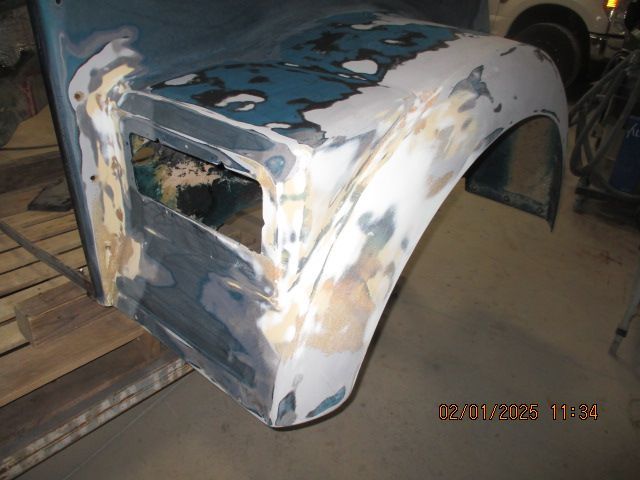
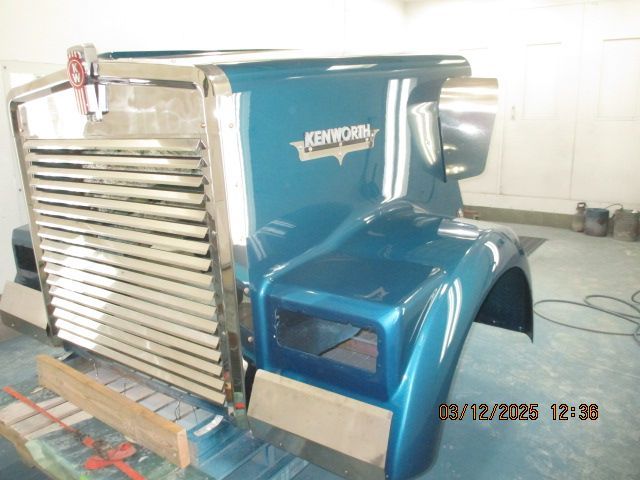
Fiberglass & Aluminum Repair - Preferred Autobody: Specialty Repairs for Modern Materials
Preferred Autobody offers professional fiberglass and aluminum repair services in Helenville, WI. With vehicles and specialty equipment increasingly incorporating non-ferrous materials, proper repair techniques for fiberglass and aluminum are essential to ensure durability, fitment, and long-term performance.
Why Fiberglass & Aluminum Repair Matters
Fiberglass and aluminum behave differently from steel. Fiberglass panels (common on boats, RVs, specialty bumpers, and some vehicle components) require patching methods that restore strength and surface finish. Aluminum is lightweight and resistant to corrosion but requires specific welding and bonding techniques to prevent weakening or galvanic corrosion. Improper repair of these materials can lead to cracking, weakened joints, or premature failure.
Key Benefits of Fiberglass & Aluminum Repair
Proper structural bonding, patching, and finishing to restore strength
Correct welding or adhesive repair methods for aluminum to maintain integrity
Surface finishing and color matching that blends seamlessly with surrounding panels
Prevention of galvanic corrosion using correct material isolation techniques
Expert knowledge of when to repair vs. replace to ensure safety and longevity
Fiberglass Repair — What We Do
Fiberglass repair requires controlled layering of fiberglass cloth or mat with the correct resins and catalysts, followed by finishing and painting. Our technicians evaluate damage to determine if patching, or replacement is appropriate.
Common fiberglass repairs:
- Bumper covers and fascia repair for sports cars and specialty vehicles
- Boat hull and deck repairs after impact or wear
- RV and camper shell panel repair
- Crack and stress fracture repairs for composite components
- Commercial vehicles, Semi Trucks, and Dump trucks usually require repairs of fiberglass components.
Fiberglass repair process:
01.
Damage assessment and moisture check — moisture in fiberglass can complicate repairs.
02.
Removal of damaged area and grinding to clean fibers.
03.
Application of fiberglass cloth/mat with appropriate resin layers to rebuild thickness and strength.
04.
Sanding, forming, and finishing to restore surface smoothness.
05.
Primer, color match, and painting for cosmetic restoration.
Aluminum Repair — What We Do
Aluminum repair requires attention to alloy types, heat-affected zones, and modern joining methods. We use proper welding techniques (such as MIG with appropriate wire and shielding gas), mechanical fastening, or adhesives where specified by the manufacturer.
Common aluminum repairs:
- Truck bed and trailer sections
- Aluminum hoods and body panels on some vehicles
- Aluminum bumper reinforcements and structural members
- RV and specialty vehicle components including trim and skin panels
Aluminum repair process:
- Evaluation of damage and alloy type to select correct repair method.
- Pre-cleaning and possibly mechanical straightening where appropriate.
- Welding or bonding or SPR riveting according to manufacturer recommendations and using compatible filler materials.
- Corrosion protection and isolation to prevent contact with dissimilar metals.
- Finishing and painting to match adjacent surfaces.
Color Matching and Finishing
Fiberglass and aluminum surfaces require specific primers and adhesion promoters before painting. Color matching techniques are applied to achieve uniform appearance and gloss, taking into account the substrate differences which can affect final color perception.
Environmental and Safety Practices
We follow safe handling of resins, catalysts, and aluminum welding fumes. Dust extraction systems and protective equipment minimize exposure for shop personnel and the environment. Disposal practices align with regulations.
When Repair Is Preferred vs. Replacement
We carefully assess the cost, structural concerns, and visual impact to recommend repair or replacement. Repairing portions of a fiberglass hull or an aluminum patch may be practical and economical; in some cases, full component replacement is safer and more durable.
Frequently Asked Questions (FAQs)
Can fiberglass be repaired to original strength?
Properly performed fiberglass repairs can restore structural integrity and strength when executed with correct materials and techniques.
Is aluminum welding risky?
Aluminum welding requires specific skills and equipment. Proper technique prevents weakening and ensures long-lasting repairs.
How long will these repairs take?
Repair times vary. Fiberglass bonding and curing require adequate dry times. Aluminum repairs may require precise welding and finishing. We provide a timeline with the estimate.
Do you handle marine and RV insurance claims?
Yes. We work with insurers to document damage and provide repair estimates for boats, RVs, and specialty vehicles.
Contact Preferred Autobody for Fiberglass & Aluminum Repairs
For fiberglass or aluminum damage to your vehicle, boat, trailer, or RV, call Preferred Autobody at (262) 370-8326 to schedule an inspection or email us at kwebbpab1@gmail.com. Our facility at 5271 County Road P, Helenville, WI 53137 is equipped and staffed to handle complex material repairs.